
How sweet potatoes can improve your healthy eating habits
Sep 27, 2025
Author: Zhao Dan, Head Nurse of the Special Medical Department at the Cancer Hospital of the Chinese Academy of Medical Sciences. Hu Mengdie, Head Nurse of the Special Medical Department at the Cancer Hospital of the Chinese Academy of Medical Sciences. Reviewer: Xin Xiaowei, Deputy Chief Nutritionist, Nutrition Department, Cancer Hospital, Chinese Academy of Medical Sciences.
Introduction: Sweet potatoes are nutritious; this article highlights their dietary role, nutritional value, and consumption tips for better health. Keywords: ['Healthy Diet', 'Nutrition']
In winter, walking down the street, nothing feels more comforting than holding a warm roasted sweet potato in your hands.
In the Ming Dynasty, Li Shizhen's "Compendium of Materia Medica" states that sweet potatoes nourish the weak, strengthen the spleen, stimulate appetite, and enhance kidney yin, leading to longevity with fewer illnesses. This highlights the high efficacy and nutritional value of sweet potatoes.
Do you know the history of sweet potatoes? Sweet potatoes originated in the central regions of the Americas, particularly around Mexico and Colombia, and later were introduced to China during the Ming Dynasty from places like Vietnam and the Philippines.
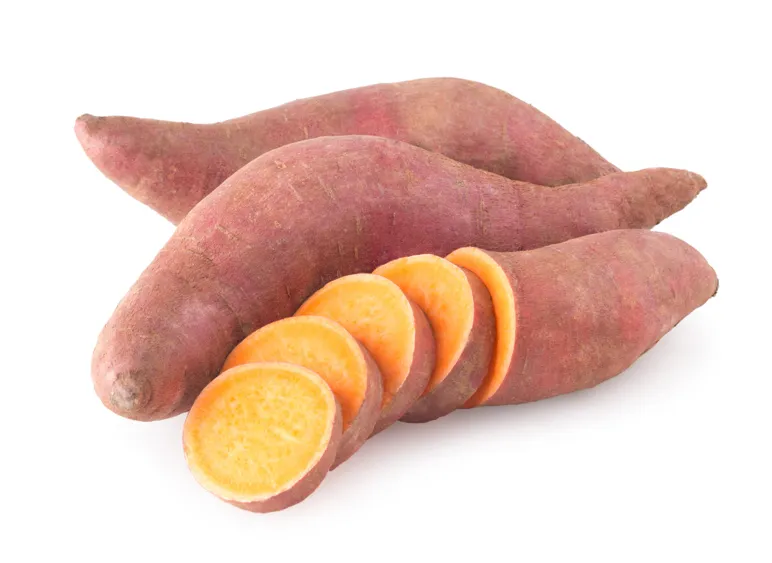
Sweet potatoes, also known as yams, sweet yams, red yams, golden yams, red mountain yams, jade pillow yams, mountain yams, earth yams, and red taro, are annual herbaceous plants. The underground part consists of round, oval, or spindle-shaped tubers.
When it comes to sweet potatoes, do you have these questions? Can eating sweet potatoes help with weight loss? Can sweet potatoes prevent constipation? Which cooking method is healthier: baked sweet potatoes or steamed sweet potatoes? Can baked sweet potatoes cause cancer? Let me answer each of your questions.
Can eating sweet potatoes help with weight loss? Sweet potatoes are considered a whole grain, and we often hear that consuming whole grains can be beneficial for losing weight. Consequently, many individuals seeking weight loss incorporate sweet potatoes into their diets. In terms of calories, 100 grams of japonica rice contains 345 kcal, while 100 grams of sweet potato contains 102 kcal. However, it is not recommended to rely solely on sweet potatoes as a staple food. For every 100 grams, sweet potatoes provide 1.1g of protein and 0.04mg of vitamin B1, while japonica rice offers 7.7g of protein and 0.16mg of vitamin B1. Therefore, depending exclusively on sweet potatoes for an extended period may lead to digestive issues due to excessive whole grains.
Can sweet potatoes help prevent constipation? Data indicates that every 100 grams of sweet potato contains 1.6 grams of dietary fiber, while 100 grams of polished rice has only 0.6 grams of dietary fiber. Dietary fiber increases satiety and promotes gastrointestinal motility, aiding in the prevention of constipation and reducing the risk of cardiovascular diseases and colon cancer. Therefore, moderate consumption of sweet potatoes can benefit constipation prevention.
Baked sweet potatoes vs. steamed sweet potatoes: which cooking method is healthier? Nutritionally, research suggests that steaming sweet potatoes retains more carotenoids. β-carotene, a type of carotenoid, is an excellent source of vitamin A and significantly benefits vision, boosts the immune system, and enhances skin health. There is no considerable difference in protein and fat content between baked and steamed sweet potatoes. If we disregard nutritional intake, the choice can be based on personal preference.
Does baking sweet potatoes cause cancer? When sweet potatoes are baked at high temperatures, they may produce acrylamide, a byproduct of the Maillard reaction. However, any carbohydrate-rich food cooked above 120°C can generate this substance. Acrylamide is classified as a Group 2A carcinogen, suggesting it may be carcinogenic, although the Maillard reaction primarily occurs on the surface of the sweet potatoes. Tests by relevant authorities on market-baked sweet potatoes showed that only the skin contained trace acrylamide, while the flesh had nearly no detectable levels. Therefore, consuming baked sweet potatoes in moderation as part of a balanced diet is unlikely to pose a cancer risk.
With the aforementioned points in mind, do you know the correct way to eat sweet potatoes? Firstly, moderation is key. Excessive consumption of sweet potatoes can produce excess carbon dioxide in the gastrointestinal tract, leading to bloating and belching. The Dietary Guidelines for Chinese Residents 2022 recommend a daily intake of 50-100 grams of starchy foods, ideally substituting part of the staple foods for better weight management. Individuals with weak spleens and stomachs should consume sweet potatoes sparingly or avoid them. While sweet potatoes can potentially benefit the spleen and stomach, those with delicate digestive systems should exercise caution as the sugars can elevate gastric acid secretion, potentially worsening ulcers or gastric distress.
For those struggling with blood sugar control, consuming starchy foods, including sweet potatoes, should be balanced with a reduction in other carbohydrate sources to avoid spikes in post-meal blood sugar levels. Sweet potatoes are rich in starch, which metabolizes to glucose; hence, individuals with diabetes or impaired glucose tolerance should limit their intake.
Moreover, it is advisable to consume sweet potatoes during lunch, as they require about 4-5 hours for digestion and absorption, during which gas production occurs. Consuming them close to bedtime may provoke bloating and acid reflux, compromising sleep quality.
Regarding calcium, sweet potatoes contain 23 mg of calcium per 100 grams. Primary dietary sources of calcium include dairy and soy, with dairy offering approximately 100-120 mg of calcium per 100 grams. Sunlight exposure in the afternoon can enhance calcium absorption.
Finally, avoid consuming spoiled sweet potatoes. Many people prefer to 'stock up' on sweet potatoes due to their longer shelf life, but prolonged storage is ill-advised. If sweet potatoes are stored too long, they may develop mold and produce aflatoxins. Eating moldy sweet potatoes can cause vomiting, diarrhea, and in severe cases, liver damage.
Note: The cover image is from a copyright-protected image library, and reproduction may lead to copyright disputes.
#nutrition
#healthy diet



© 2025 Health Tribe.