
Global Leaders Honored for Tackling Obesity Crisis
Sep 27, 2025
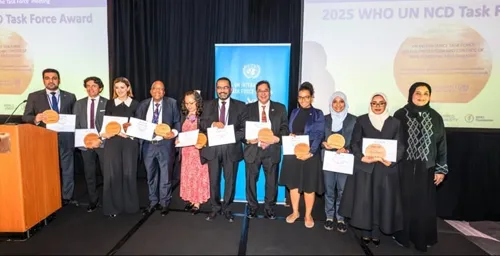
On September 25, the World Health Organization (WHO) and the United Nations Inter-Agency Task Force on the Prevention and Control of Noncommunicable Diseases (UNIATF) recognized 12 countries and 7 non-state actors as leaders in innovative and multisectoral initiatives to combat obesity. These pioneers demonstrated a significant and lasting impact through bold fiscal measures such as sugar taxes, state-of-the-art digital solutions, and comprehensive nationwide school meal programs.
The 2025 UNIATF Awards, designed to honor champions in the fight against obesity, took place during the Tenth Annual Meeting of the Friends of the Task Force. This gathering aimed to accelerate action on obesity prevention and management and was convened by the World Health Organization (WHO), the Government of Egypt, and UNIATF. The event coincided with the opening week of the Eightieth Session of the United Nations General Assembly (UNGA) and the Fourth UN High-Level Meeting (HLM) on noncommunicable diseases.
“Obesity is largely preventable. Yet millions of people around the world face environments that make it easier to gain weight and harder to maintain health,” stated Dr. Jeremy Farrar, WHO Assistant Director-General for Health Promotion and Disease Prevention and Control. “These champions show that progress is attainable, and their leadership inspires collective action to halt the global obesity crisis.”
Obesity rates have more than doubled in the past three decades. At present, one in eight individuals worldwide is affected by obesity, which contributes to heightened occurrences of diabetes, heart disease, certain cancers, and other non-communicable diseases (NCDs).
The WHO Acceleration Plan to Stop Obesity provides a comprehensive roadmap for governments and partners to undertake decisive actions. Its five pillars focus on:
For many years, WHO has recognized the urgent need to tackle the global obesity crisis and continues to support countries in their endeavors, while acknowledging their achievements. The World Health Assembly's Global Nutrition Targets aim to prevent any increase in childhood overweight, while the global NCD target seeks to halt the escalation of diabetes and obesity by 2025.
Ministries of Health (or government agencies functioning under a ministry of health)
Non-governmental organizations, academic institutions, and foundations.
#health policy
#international recognition


© 2025 Health Tribe.