
What causes hair to turn white and can it return to black?
Sep 27, 2025
Author: Not specified; Reviewer: Not specified; Curator: Not specified; Production/Organization: Not specified.
What causes hair to turn white and can it return to black?
The article discusses causes of gray hair, including genetics and stress, along with Chinese medicine methods for improvement.
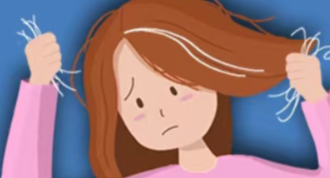
Is there a kind of enigma around gray hair that many people ponder? The expression "Who does time spare?" illustrates the inevitability of aging and the passage of time, indicating that everyone is subject to its influence. It invites deep reflection on life, memories, and the ephemeral nature of existence. Time alters everyone, and as it progresses, we all undergo changes and bear the marks life imparts upon us.
Generally, individuals of Asian descent tend to start noticing gray hair in their late 30s to 40s, with about 50% having noticeable gray hair by age 50. While this is a natural physiological process, it is ultimately an inescapable reality.
Core reason: The decline or cessation of melanocyte function.
Reduction in quantity: As one ages, melanocytes in hair follicles gradually diminish and undergo apoptosis.
Reduction in activity: Even with some melanocytes still present, their "productivity" declines, resulting in progressively less melanin. Eventually, the melanocytes cease to function entirely, leading to new hair growth that appears white (actually transparent, giving the illusion of being white).
Key influencing factors: Accelerator for the "Retirement" of Melanocytes.
Genetic factors (the most significant): This is the primary determinant of when one begins to see gray hair. Genetic predispositions largely dictate the "operational lifespan" of melanocyte cells. If parents experienced early graying, it is likely that their offspring will too. This phenomenon is referred to as "premature graying" or "early-onset gray hair."
Natural aging (unavoidable): This is the most common cause of gray hair.
Psychological stress and emotions: Prolonged periods of high stress, anxiety, and sadness can trigger the sympathetic nervous system, resulting in excessive norepinephrine production. This excess leads melanocyte stem cells to be overactivated and subsequently depleted, hastening their "retirement." This underpins the adage "turning white overnight" (though it is not literally achievable, stress significantly accelerates the graying process).
Nutritional imbalance: Various health conditions can also contribute.
Lifestyle habits are another factor.
Traditional Chinese medicine has long recognized the causes of gray hair, associating it with deficiencies in the liver and kidneys, lack of vital energy and blood, or possibly with Yin deficiency accompanied by heat in the blood and poor emotional regulation. Consequently, a sufficiently effective diagnostic and treatment framework has been established. The clinical use of traditional Chinese herbs for hair restoration primarily centers on supplementing Yin and blood, often in conjunction with herbs aimed at promoting blood circulation and alleviating stasis or clearing heat.
Mulberry and Longan Tea (Nourishes Blood and Calms the Mind): Method: Combine 5g of dried mulberries, 1g of longan, and 2 red dates, steep as a tea alternative.
Effects: This is suitable for individuals with insufficient Qi and blood, insomnia, palpitations, and accompanying gray hair.
Special reminder: If consuming this leads to dry mouth or throat, consider omitting the longan.
Black Bean and Goji Berry Porridge (Nourishing Liver and Kidney Qi and Blood Together): Method: Pre-soak black beans, then cook with rice until tender. Add goji berries during the last 5 minutes of cooking.
Effect: Black beans support kidney health, while goji berries replenish the liver and kidneys, promoting blood vitality for hair. This is suitable for cases of gray hair resulting from liver and kidney deficiency.
Special reminder: Individuals with a notably weak spleen and stomach, or those prone to diarrhea, should commence with a small portion of black beans and gradually increase as tolerated. Diabetes patients should be cautious with porridge products.
Maintain a calm mindset and accept the laws of nature.
The optimal approach towards gray hair attributed to aging and genetics is to embrace it, viewing it as a symbol of wisdom and experience. Many choose not to dye their hair and ultimately discover a unique style along with newfound confidence.
Targeted improvements (for reversible factors) include seeking medical assistance.
If gray hair notably appears early (before age 25), or develops rapidly, or is accompanied by hair loss, skin lightening, or other symptoms, it is advisable to consult a specialist to exclude potential health issues.
Does plucking white hair lead to more growing? Answer: No!
This is a common misconception. Each hair follicle acts as an independent 'factory.' Pulling out a gray hair affects only that follicle. When it regrows, it may still be gray (because the associated 'workers' are no longer capable), but it will not 'spread' to adjacent follicles.
However, if the follicles producing gray hair are active, then the removal of gray hair can prompt the follicles to undergo a new growth cycle. During this phase, a single follicle may yield 2 to 4 strands of gray hair, creating the perception that more hair has grown post-plucking.
Frequent plucking may injure hair follicles, leading to folliculitis and potentially halting hair growth altogether, hence it is not recommended.
Can the area of white hair indicate health of internal organs? Example: If hair grows on the temples, it suggests poor liver health.
Answer: This lacks clear scientific justification.
Modern medicine does not provide conclusive evidence supporting this claim. The distribution of gray hair is largely governed by genetics and the condition of the local follicles, and should not be directly correlated with issues in specific organs. Nevertheless, poor overall health can indeed accelerate the onset of gray hair.
Can white hair turn black? Answer: It depends on the cause.
If the reason is genetic or due to natural aging, there are currently no reliable methods to revert it back to black due to the permanent decline of melanocytes.
Conversely, if it is caused by reversible factors, recovery is possible once the underlying cause is rectified. For instance, hair that turns white due to nutritional deficiencies may regain color after adequate nutrients are provided.
In confronting gray hair, the paramount focus should be on sustaining a joyful mindset and fostering a healthy body. This approach is crucial for slowing the aging process and maintaining vitality from within.
#mental health
#beauty and health care.


© 2025 Health Tribe.