
Study shows sex life impacts women stopping contraceptives
Sep 26, 2025
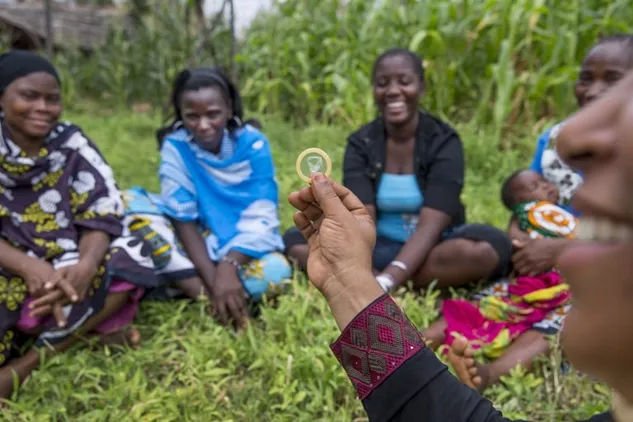
A new study from the World Health Organization (WHO), the United Nations' Special Programme in Human Reproduction (HRP), and The Pleasure Project finds that approximately 1 in 20 people who discontinue contraception while still needing it—whether for pregnancy prevention or safer sex—do so because they perceive negative impacts on their sex lives.
Published today, the systematic review titled "The Sex Effect: The Prevalence of Sex Life Reasons for Contraceptive Discontinuation" analyzed 64 studies involving over 125,000 participants. Its findings have significant implications for public health. Ensuring that people have contraceptive options that meet their needs—including their sexual well-being—enhances contraceptive uptake. This, in turn, reduces unintended pregnancies, maternal mortality, and the spread of sexually transmitted infections.
"The ability to enjoy sex without fear of unintended pregnancy is a major reason people use contraception," said Dr. Pascale Allotey, Director of Sexual, Reproductive, Maternal, Child and Adolescent Health and Ageing at WHO and HRP. "These findings underscore the importance of considering sexual satisfaction in supporting successful contraceptive use and highlight a clear missing link when it comes to improving sexual health and family planning programs around the world."
According to the review, contraceptive users report various impacts on their sex lives, ranging from decreased libido to discomfort during intercourse, as well as concerns about their partner's sexual experience. The review did not identify significant differences in the prevalence of these concerns among users of different types of contraception, whether hormonal or non-hormonal methods.
Despite their common occurrence, sexual side effects are rarely discussed in clinical research or by healthcare providers when assisting individuals in selecting a contraceptive method. To more effectively acknowledge people's experiences regarding sexual health and contraception, the study puts forward several important recommendations.
Beyond individual experiences, the study highlights broader potential benefits from a shift in approach. If global contraceptive needs were met, it is estimated that maternal mortality could decrease by 25-35%, and unintended pregnancies could drop from 80 million to 26 million annually. It has also been shown to reduce high-risk pregnancies and births by as much as 40%. The use of barrier contraceptive methods, including condoms, also prevents many sexually transmitted infections, including HIV, gonorrhea, chlamydia, and syphilis.
While access to modern contraception remains a challenge in many parts of the world, high discontinuation rates further undermine progress: previous analyses show that nearly 40% of women discontinue their chosen method, with rates exceeding 50% in some countries.
"Ensuring that contraception can support both a satisfying and safe sex life is important for boosting people’s sexual health, and therefore, their health overall," said Dr. Lianne Gonsalves, a WHO Scientist for sexual health and senior author of the study. "Many users are going to see their lived experience reflected in these results."
#reproductive health
#sexual health



© 2025 Health Tribe.