
UNICEF WHO Report Urges Global Action for Basic Health Care
Sep 24, 2025
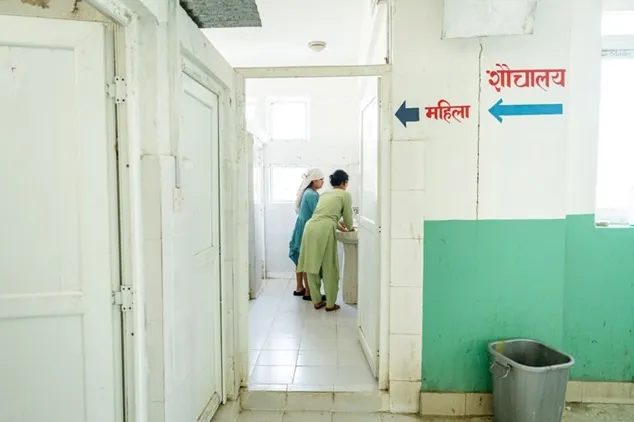
Over 100 countries have made unprecedented efforts to enhance basic services in healthcare facilities, as highlighted in the latest joint WHO/UNICEF global progress report titled "Essential Services for Quality Care: Water, Sanitation, Hygiene, Health Care Waste and Electricity Services in Health Care Facilities." Although there has been progress in setting standards, conducting baseline assessments, and creating national roadmaps, billions of people continue to rely on facilities that lack these essential services. A significant increase in effort and investment is urgently required to achieve the global targets set for 2030.
"Every patient deserves to receive care in a facility that is safe, hygienic, and properly equipped. Without reliable water, sanitation, hygiene, waste management, and electricity, health workers cannot prevent infections or provide essential services, putting millions of lives at risk,” said Dr. Ruediger Krech, acting Director of the Department of Environment, Climate Change, and Health at the World Health Organization. “This report shows that while progress is being made, far too many people are still treated in facilities that lack the most basic services. Governments and partners must step up investments now to fulfill the UN General Assembly Resolution and ensure every facility is safe, sustainable, and resilient."
Key findings
The report will be officially launched at a high-level meeting on September 24 at the United Nations in New York, convened by Hungary and the Philippines, who are co-chairs of the Group of Friends in Support of WASH in Health Care Facilities. Building on the 2023 UN General Assembly Resolution regarding "Sustainable, safe and universal water, sanitation, hygiene, waste and electricity services in health-care facilities" (A/RES/78/130), the meeting will gather governments, UN agencies, and partners to accelerate progress, address financing gaps, and ensure that every health facility worldwide is equipped with the essential services needed to provide safe, quality, and dignified care.
Country tracker
For more information, please contact:
mediainquiries@who.int
#public health
#international cooperation


© 2025 Health Tribe.