
Is corn a calorie bomb? Discover the diet weight loss truth
Sep 23, 2025
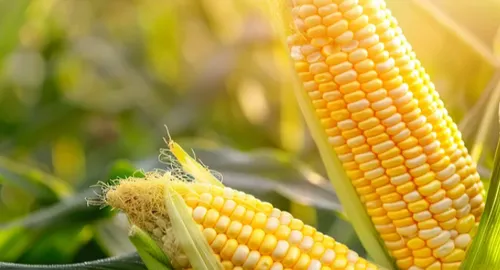
Author: Unknown, Reviewer: Unknown, Curator: Unknown, Production/Organizational Information: Unknown.
Title: Is corn a calorie bomb? Discover the diet weight loss truth
Introduction: Corn can be a weight loss trap; sticky corn can have nearly double the calories of sweet corn, affecting calorie control.
Eating whole grains can help with weight loss.
Therefore, the corn is soft, glutinous, and sweet.
In many people's weight loss diets, it has become a staple food that is eaten every day.
In fact, corn is the most deceptive.
According to calculations, consuming a 250-gram (half a pound) ear of sweet corn can yield up to 400 calories, which is equivalent to a full box of takeout rice. If served in a home bowl, this amounts to about two bowls of rice.
Different varieties of corn show a difference in calories that is nearly double.
Experts suggest that the caloric content of corn actually depends on the variety. Choosing the wrong type not only hinders weight loss but may also cause blood sugar levels to spike in some individuals.
For the same size of corn (based on 250 grams of edible portion), the caloric content of yellow glutinous corn is 200 kilocalories higher than that of sweet corn, which is equivalent to eating more than a bowl of white rice.
It's all corn. How could the gap be so large?
This is actually related to different varieties of corn and differences in starch, sugar, and fat content.
If we categorize the commonly available varieties on the market, they can be simply divided into three main types: glutinous corn, sweet glutinous corn, and sweet corn. Glutinous corn usually has a lower moisture content than sweet corn, which means it contains more 'dry matter.' Among this dry matter, the total carbohydrate content is, on average, 10% higher than that of sweet corn, and in some cases, it even exceeds 30%. Additionally, the fat content is about 2% higher, collectively resulting in a significantly higher calorie count for glutinous corn compared to sweet corn.
Many people trying to lose fat originally thought that having two ears of corn for dinner was just right, but in reality, it is equivalent to eating three to four bowls of rice, and the calories are even higher than a normal dinner.
If we calculate based on a woman's daily intake of 1800 calories (without weight loss), she can eat a maximum of 4 to 5 ears of sweet corn in a day. If she needs to reduce calories to 1500 for weight loss and only eats 1 ear of corn per meal, there won't be much room for other food throughout the day.
Attention to those who need to control their sugar intake: corn can be a glycemic bomb. Apart from its high calorie content, some varieties of corn also have a relatively high glycemic index.
Some varieties of corn are relatively friendly to blood sugar, such as sweet corn, which has a glycemic index (GI) of around 55, categorizing it as a low GI food.
In our country, the cultivation of glutinous corn is more prevalent, and the most commonly found varieties in the market are glutinous corn or sweet glutinous corn. Glutinous corn is classified as a staple food with a medium to high GI (glycemic index) and high GL (glycemic load), with a GI value ranging from 80 to 90+.
Some varieties even have a GI value higher than that of rice, categorizing them as high-GI foods. For instance, a testing agency measured the GI value of black glutinous corn at 106, which rises even faster than that of dry glucose, while the GI value of steamed bread is 85 and that of glutinous rice is 87.
The GI value of glutinous corn is high because it mainly consists of starch, which is rapidly digested and absorbed by the body, leading to quicker spikes in blood sugar levels. The specific type of starch present in glutinous corn, along with its low fiber content, contributes to this higher glycemic index.
This is related to the starch component. Regular corn is a combination of amylose and amylopectin, while the specially cultivated sticky corn unique to China consists of almost entirely amylopectin (over 95%), which will be broken down and digested more quickly in the body.
Can you eat corn every day? It's fine to eat it occasionally, but you should keep the portion size in check.
Some people believe that corn is considered a coarse grain, and as long as calories are controlled, it can be eaten every day. However, corn has a disadvantage: the niacin (a type of B vitamin) it contains is in a bound form, making it difficult for the human body to utilize.
Although corn is considered a coarse grain, it is not recommended to eat it every day. Healthy coarse and mixed grains should not only be coarse but also diverse. It is essential to pair them with other staple foods for optimal health. For instance, combining them with sweet potatoes, which are richer in dietary fiber, or brown rice that has higher levels of B vitamins and niacin, as well as oats and quinoa, which offer better protein quality.
Friends who enjoy eating corn need not worry. If you are trying to lose weight or manage your sugar intake, you can opt for sweet corn (also known as fruit corn), which has lower calories and is more friendly for blood sugar levels. It is important to watch your portion sizes and to pair it with vegetables and protein.
If you want to include corn as a staple coarse grain, it’s sufficient to have it a few times a week, and you should avoid eating it every day. It can be paired with mixed grain rice, oats, and other grains.
In addition, when eating corn, it is important to chew it cleanly, as the corn germ is the part that is richest in nutrients.
Do you love eating corn? Do you prefer sticky corn or sweet corn? Hurry up and share this valuable information with the 'like-minded' people around you. Don't be 'deceived' by its coarse grain appearance anymore!
#nutrition
#weight loss


© 2025 Health Tribe.