
I understand your request, but I need a specific news title to work from in order to generate an optimized headline. Please provide a news title so I can assist you.
Sep 22, 2025
Kate O'Brien, Director of the Department of Immunization, Vaccines, and Biologicals at the World Health Organization, emphasizes that combating misinformation is vital for maintaining trust in public health.
We are at a pivotal moment. Estimates indicate that vaccines have saved more than 150 million lives over the past 50 years; however, their future potential is increasingly threatened by a different contagion: misinformation. Misinformation and disinformation spread faster and farther than the truth, risking reversals of the hard-won gains in vaccine coverage and disease control achieved over the decades.
Vaccines have long stood as one of the most effective tools in public health, recognized as the most cost-effective public health intervention available. They save more than five lives every minute, avert severe disease and disability, lessen the burden on healthcare systems, protect families from extreme poverty, and contribute to economic growth. Global vaccination initiatives have enabled over 18 million people who would have been paralyzed by polio to walk, preserved the lives of over 90 million children who would have died from measles, and prevented more than a million deaths now and in the future from cervical cancer. Tens of millions more individuals have avoided severe diseases, including meningitis, pneumonia, whooping cough, congenital rubella, rotavirus diarrhea, diphtheria, tetanus, and hepatitis B, because of vaccination. Yet, we now face the potential erosion of decades of progress—not due to a lack of safe and effective vaccines, nor deficiencies in innovation, but due to misinformation.
The effects of vaccine misinformation are not mere hypotheticals—they have real and tragic implications. In recent instances, healthy children have died from the highly contagious measles virus or from related complications that can arise years after recovery. Vaccination rates among children in some countries that previously recorded high coverage are plummeting to historic lows. National statistics mask significant disparities, where coverage in specific communities falls significantly short of the national average and well below the 95% threshold required to maintain herd immunity. This decline in vaccination coverage, particularly for measles, is leading to substantial increases in cases and fatalities, even in affluent nations like the US, Canada, the UK, and other countries in Europe.
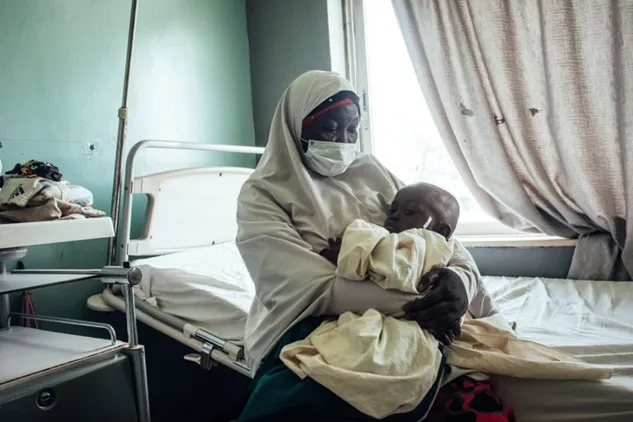
As of 2024, approximately 14.5 million infants worldwide did not receive a single dose of vaccine as part of the essential immunization program, according to the latest estimates from WHO and UNICEF. These so-called 'zero-dose' children often live in fragile environments with restricted healthcare access, where misinformation poses an additional risk.
The tactics of anti-vaccine narratives are alarmingly familiar: they promote conspiratorial views that portray governments, scientists, or pharmaceutical companies as corrupt; utilize spokespersons who assert expertise while undermining legitimate science; cherry-pick studies that ignore the overwhelming majority of scientific consensus; misinterpret safety data, especially from passive surveillance systems; set unrealistic expectations that vaccines must be 100% effective and devoid of risk, regardless of how rare those risks might be; and employ misrepresentations that evoke emotional rather than informed responses.
While fact-checking and scientific evidence play significant roles, research indicates that once individuals are exposed to false information, they often cling to it, even when confronted with factual corrections.
This issue pertains to influence rather than ignorance. Misinformation is increasingly disseminated by notable figures who endorse thoroughly debunked myths, such as the inaccurate claim that the MMR vaccine induces autism. Pseudoscience, flawed logic, and selective 'evidence' are weaponized to incite confusion and doubt among well-meaning parents.
SAGE: Strengthening science
At WHO, the Strategic Advisory Group of Experts (SAGE) is vital in ensuring that vaccination policies are rooted in the best available evidence. SAGE employs the Evidence to Recommendations (ETR) framework, clarifying how factors like efficacy, safety, cost-effectiveness, disease burden, programmatic feasibility, acceptability, and more shape policy recommendations. In its upcoming meeting in September, SAGE will provide guidance on immunization in emergency and fragile contexts, new vaccine introductions, addressing zero-dose children and equity gaps, and monitoring adverse events to bolster vaccine safety systems.
These recommendations serve as crucial inputs for national governments as they navigate complex decisions amid rising skepticism.
In a time when public discourse is fragmented and science is increasingly politicized, organizations like SAGE act as protectors of scientific integrity. Their role is more critical than ever—not only to inform policy but also to foster public trust in the institutions accountable for health protection and promotion.
How do we tackle the emerging challenges of today? Any response must be grounded in listening to public concerns and family worries. It should actively combat disinformation from its source, including collaborating with social scientists to understand the complex dynamics contributing to vaccine hesitancy and other factors that influence low uptake rates. Transparency, especially during uncertain times, is more essential than ever. We must support all program stakeholders in disseminating accurate information about vaccination, including health professionals, local advocates and champions, teachers, journalists, and youth leaders.
Our collective responsibility is evident: to defend evidence-based decision-making as vigorously as we protect lives. Supporting and restoring trust—one conversation, one policy, and one truth at a time—is central to the challenges that lie ahead.
What can I assist you with today?
Click here to subscribe to the Global Immunization Newsletter.
#public health
#vaccination misinformation



© 2025 Health Tribe.