
WHO releases R&D analysis revealing gaps in cancer research
Sep 22, 2025
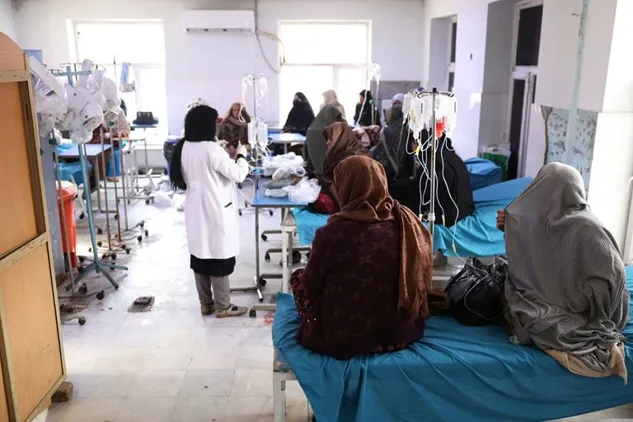
The WHO has released a new landscape analysis that highlights significant gaps in global research and development (R&D) efforts concerning cancer. The report indicates that, despite significant progress in clinical research, investments and innovations frequently do not align with the most pressing public health needs, resulting in many of the world’s most vulnerable populations being overlooked.
Data show that cancer clinical trials remain concentrated in high-income countries, with 63 countries having no registered trials. Cancers that cause the greatest number of deaths in low- and middle-income countries, such as liver, cervical, and stomach cancers, are among the least studied. Research is also disproportionately focused on novel drugs, while surgery, radiotherapy, diagnostics, and palliative care remain underrepresented.
The results of this work have been published in Nature Medicine, accompanied by a concise WHO snapshot for governments and funders, and an open-access interactive dashboard that includes over 120,000 cancer clinical trials worldwide. Together, these resources provide all stakeholders with the most comprehensive analysis of the state of global cancer research and guidance on how they should be utilized to direct policies and research funding.
This work was jointly led by the Departments of Noncommunicable Diseases and Mental Health and Science for Health. The analyses are based on data from the WHO Global Observatory on Health Research and Development and are part of a broader initiative led by the WHO’s Emerging Technologies, Research Prioritization, and Support team. This initiative also includes landscape analyses on global childhood cancer research and development, monoclonal antibodies, and neglected tropical diseases affecting children.
The WHO calls on funders, product developers, and clinical trial investigators to utilize these findings for more effective targeting of cancer research and development investments. This includes aligning research priorities with interventions that enhance health and address the comprehensive needs of individuals affected by cancer, while ensuring equitable access to innovation across all populations.
#public health
#health policy


© 2025 Health Tribe.