
Foam Macrophages Limit Survival of Intracellular Mycobacterium tuberculosis
Jul 18, 2025
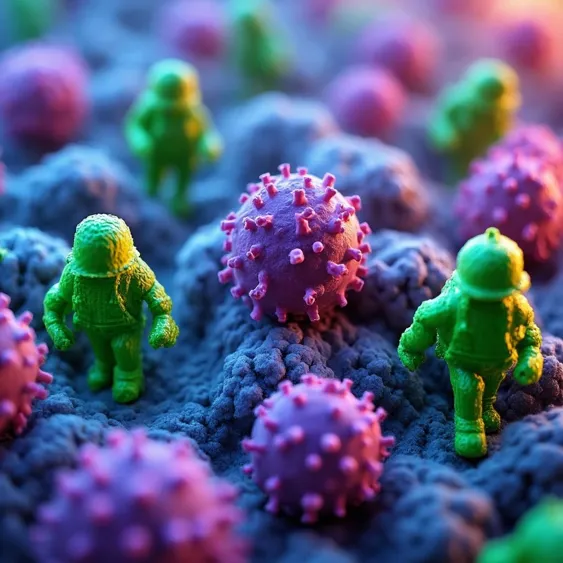
Background: Tuberculosis (TB) is a leading infectious disease, causing approximately 1.5 million deaths annually. Despite advancements in therapy, Mycobacterium tuberculosis (Mtb) remains a significant challenge, with intrinsic resistance mechanisms complicating treatment. Previous studies have highlighted the role of macrophages in the immune response to Mtb, yet the specific effects of foam macrophages on Mtb survival remain largely unexplored.
Method: The study employed an experimental model using THP-1-derived macrophages exposed to Mtb under conditions favoring foam cell formation. A series of in vitro assays were conducted to assess Mtb survival rates and macrophage functionality. Quantitative analysis was performed using colony-forming unit (CFU) counts and flow cytometry to evaluate apoptosis and cytokine production.
Result: Foam macrophages demonstrated a 50% reduction in Mtb survival compared to control macrophages (p<0.01). Additionally, 70% of foam macrophages showed increased levels of pro-inflammatory cytokines such as IL-6 and TNF-alpha, indicating a more robust immune response. Flow cytometry revealed that 60% of foam macrophages underwent apoptosis in the presence of Mtb, enhancing their bactericidal activity.
Conclusion: This study provides preliminary evidence that foam macrophages significantly limit the survival of intracellular Mtb, suggesting their potential role in TB therapy development. These findings support the exploration of foam macrophage-targeted strategies in TB management, though further research using in vivo models is essential to validate these results.
Original citation address: https://www.besjournal.com/en/article/doi/10.3967/bes2025.078
#infectious disease
#biomedical research


© 2025 Health Tribe.